
Why Design Comes Before Construction on Any Big Architectural Project
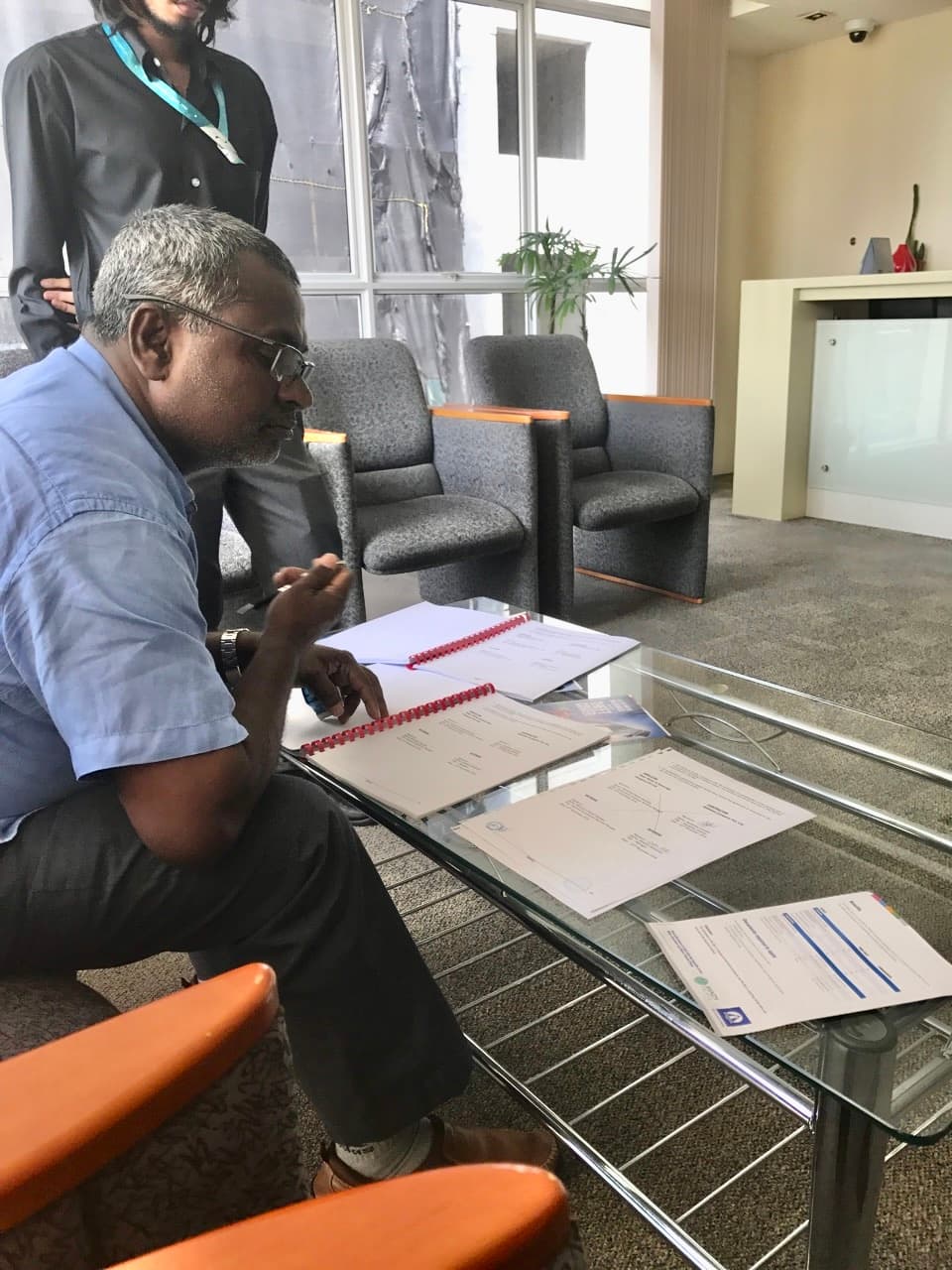
It is understandable to want to move quickly from an idea into construction, especially on a large architectural or civil engineering project. The site may be ready and the budget may feel settled, but the decisions made before construction begins carry lasting weight. Design is not simply a formality before the real work. It is the work that gives every later stage a sound foundation.
Design prevents the most expensive kind of mistake: rework
A change made on paper costs very little. The same change after foundations are poured, walls are built, or utility lines are laid can cost much more in materials, labour, and time. Structural clashes, unsuitable utility routes, and undersized spaces are easier to resolve during design coordination than on an active site. This is why our process begins with consultation and site assessment before we issue a Bill of Quantities or construction plan. Finding a problem early keeps it manageable.
Design turns a rough budget into a realistic one
Every client arrives with a budget in mind, but a figure without a design behind it remains an estimate. Proper design and Bill of Quantities work identifies the materials, finishes, and structural elements required. This gives the client a clear basis for the budget and gives the contractor a clear responsibility. Skipping this stage does not save money. It delays accurate costing until changes are more difficult and expensive.
Design is where civil engineering and architecture actually meet
A building is more than an architectural drawing. It is a structural, civil engineering, and utility system that must perform under real loads, weather, and regulatory requirements. Foundation design, concrete detailing, drainage, and utility infrastructure must be coordinated with the architectural intent from the beginning. When design is treated only as appearance, structural and engineering conflicts often emerge after approvals, when they are harder to resolve.
In the Maldives, design has to account for the island itself
Construction in the Maldives involves logistics that mainland projects rarely face. Materials, equipment, and skilled teams often need to be mobilised to a remote island. Foundation type, material selection, and construction sequencing therefore affect what can be delivered safely and on time. A design that does not account for island logistics may look complete on paper but prove difficult to build. This is why site assessment belongs in the design conversation from the first day.
How we approach design and build work at Rishthaa
Our design and build service reflects what we have learned from delivering projects in the Maldives. We coordinate project planning, design, site assessment, BOQ support, and budget estimation before construction begins. By the time our crews mobilise, the structural, civil, and architectural decisions have been considered against the location, budget, and regulatory requirements.
Whether the project is a home construction, a commercial building, a telecom tower site, or a utility infrastructure works package, the same principle holds: the quality of the finished project is set long before construction begins. If you're planning a building construction or civil engineering project anywhere in the Maldives, the most valuable investment you can make is time spent getting the design right first.
Planning a construction project?
Talk to our design and build team before you commit to a plan.