
How Much Does It Really Cost to Build a House in the Maldives?
Almost every conversation about building a house in the Maldives starts with the same question: "How much will this cost?" It is a fair and important question. A responsible answer requires an understanding of the site, design, and finishes. Building cost in the Maldives is not a single fixed rate per square foot. It reflects several factors that can change a budget considerably, and understanding them helps a client plan with confidence.
Location and island logistics change the number more than anything else
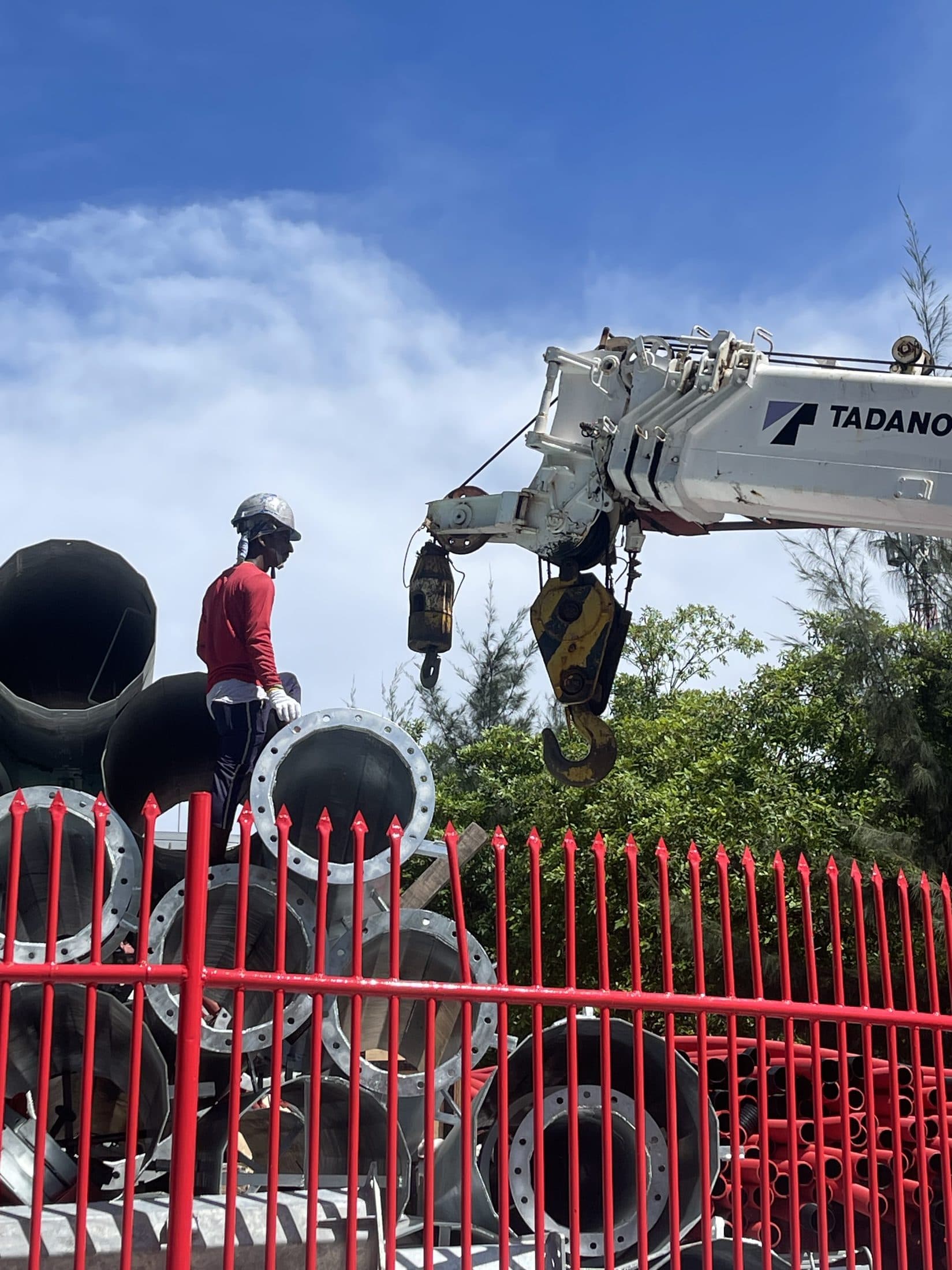
A home built in greater Malé, where materials and equipment can move by road, will cost differently from the same home on a remote island. Cement, steel, and machinery may need to be shipped, offloaded, and mobilised by boat or barge. Transport time, weather windows, local labour, and equipment availability are important cost factors in Maldivian construction. A general online estimate cannot account for these site specific details.
Foundation type and structural design matter more than finishes
Soil conditions vary from island to island, and foundation design must respond to what is beneath the site. This is civil engineering work rather than a fixed line item. A home on reclaimed or sandy ground may require a different foundation from one on more stable ground. That decision is made well before tiles, paint, or fittings are considered. Finishes are highly visible, but early structural decisions often represent a larger share of the total cost.
2026 has made estimating harder, not easier
The Maldivian construction sector has faced genuine cost pressure through 2026. Financing conditions have tightened, order growth has slowed, and imported materials, machinery, and fuel remain sensitive to global shipping disruptions. In an island nation, changes in shipping costs directly affect the price of cement, steel, and fittings. This is why every cost estimate has a practical validity period. A figure prepared six months ago may no longer reflect current conditions.
Why "cost per square foot" figures are misleading
A cost per square foot is usually an average drawn from another project with a different island, foundation, finish level, or construction period. Two homes of the same size can cost very differently once site access, structural requirements, and finish specifications are considered. This figure can be a useful starting point, but it should not be treated as a final promise.
How a proper Bill of Quantities gives you a real number
A dependable cost figure begins with a site assessment and a detailed Bill of Quantities. Each material, structural element, and finish is measured against the actual design and site. At Rishthaa, we begin with consultation and site assessment before preparing a BOQ and proposal. This gives the client a budget built on the project itself rather than a general assumption.
What to expect on payment structure
Most residential and commercial construction projects in the Maldives use staged payments linked to milestones such as mobilisation, structural completion, finishing, and handover. This structure supports both parties. The client pays for work that has been completed and verified, while the contractor can keep materials and teams moving. A professional contractor should explain each payment stage clearly before an agreement is signed.
If you are planning a home, commercial building, or civil construction project in the Maldives, use general cost figures only as an early reference. A useful working budget should be based on your site and design, beginning with a proper consultation and Bill of Quantities.
Planning a construction project?
Talk to our design and build team before you commit to a plan.